


Every generation believes it is collecting the next big thing. Walk into any toy store or scroll through a release calendar and you will see items marketed as limited, exclusive or future grails.
Yet when you zoom out and look at what has actually held value over decades, vintage toys continue to outperform most modern collectibles by a wide margin.
The reason is not nostalgia alone. It comes down to how these items were treated when they were new.
Vintage toys were never meant to survive. They were opened immediately, played with daily and often destroyed in the process.
Packaging was thrown away without hesitation and accessories disappeared within weeks. No one was thinking about condition or long term value.
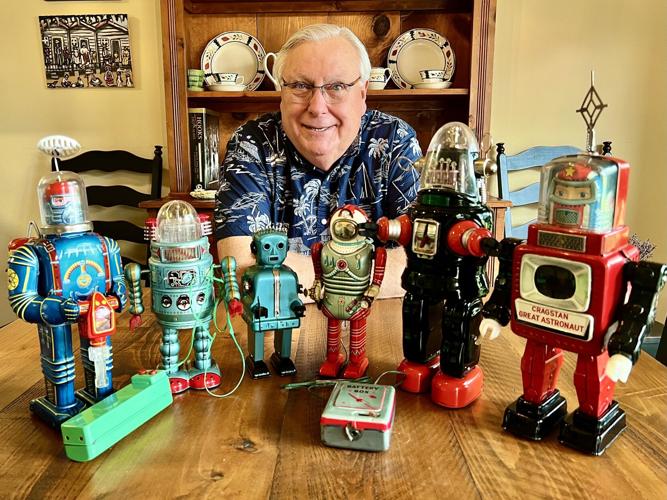
As a result, genuinely well preserved examples are scarce today regardless of how common the toy once was.
Modern collectibles live in a completely different environment. From the moment they are released, they are handled like investments.
Buyers keep them sealed, store them carefully and often purchase multiples. High survival rates mean future scarcity is hard to achieve. When everyone saves everything, very little becomes rare.
Demand also behaves differently. Vintage toys are chased by collectors reconnecting with real childhood experiences.
That type of demand tends to be steady and emotional rather than speculative. People want the toys they remember owning, losing or never being allowed to open. Even during market downturns, that desire rarely disappears.

Modern collectibles often rely on hype cycles. Social media attention, influencer pushes and short term scarcity drive early demand, but once the spotlight moves on, interest can fade quickly.
Without deep emotional attachment, prices struggle to hold.
Time also acts as a natural filter. Weak toy lines disappear.
Only the designs, brands and characters that resonated deeply survive across generations.
Vintage markets are already refined by decades of collector behavior.
Modern collectibles have not yet been tested this way, which makes long term predictions far less reliable.
There is also a physical aspect that collectors sometimes overlook. Many vintage toys were built to last.
Die cast metal, thicker plastics and simpler construction age better than modern materials that rely on electronics, thin plastics or glued components.
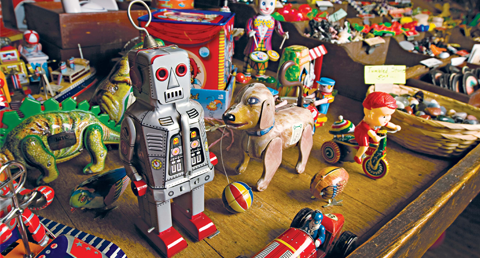
When modern toys fail, repairing them years later is often impossible.
None of this means modern collectibles cannot succeed. Some absolutely will.
The challenge is identifying which ones will still matter twenty or thirty years from now once hype, marketing and speculation have burned away (for example. Labubu).
Vintage toys already passed that test.
Their value is rooted in scarcity created by time, demand driven by memory and survival against the odds.
That is why, when markets cool and trends change, vintage toys tend to remain standing while newer collectibles struggle to find their footing.
